
Keeping floors spotless is more than just a matter of appearance — it’s about hygiene, safety, and long-term maintenance. In today’s world of modern cleaning tools, one question often comes up: Should you use a steam mop or a regular mop?
Both methods can deliver clean floors, but they work in very different ways. A steam mop uses heat to lift dirt and sanitize surfaces, while a regular mop relies on water and cleaning solutions for everyday cleaning.
In this blog, we’ll break down the key differences between steam mops and regular mops, explore their pros and cons, and help you decide which one fits best for your facility or home.
Whether you’re a facility manager aiming for efficiency or simply curious about which option offers better results, this guide will give you all the answers you need.
Steam Mop vs Regular Mop: Which is Best for Your Facility?
When it comes to keeping floors spotless, safe, and well-maintained in a facility, the choice of mop matters. Should you go with a classic regular mop or invest in a steam mop?
This article dives into the key differences, the pros and cons of each, and what it means for facility management — so you can choose the right tool for your facility’s needs.
What is a Regular Mop?
A regular mop typically means a mop head (string, flat, or microfiber) plus a bucket of water (often with cleaning solution).
You dip the mop, wring it, and move it over the floor to remove grime and spills. Because of its simplicity and low cost, it remains the workhorse in many cleaning routines.
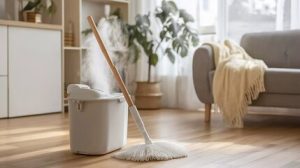
Key features of a regular mop:
-
No electricity needed — just water + solution.
-
Works across many floor types, including tricky ones.
-
Relatively low upfront cost.
-
Easy to store and simple to use.
What is a Steam Mop?
A steam mop is an appliance that uses a heating element to convert water into steam, which is then released via a mop head with a pad to loosen dirt and sanitise surfaces. One pass often does more than a traditional mop.
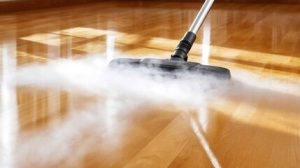
Key features of a steam mop:
-
Uses only water (in many cases) — fewer or no chemical cleaners needed.
-
The steam’s heat helps break down grime and can kill certain bacteria/viruses.
-
Dries faster — less residual moisture, which is useful in high-traffic facilities.
-
More technology, so higher upfront cost and some maintenance.
Side-by-Side Comparison
| Feature | Regular Mop | Steam Mop |
|---|---|---|
| Upfront cost | Low | Higher |
| Electricity needed | No | Yes |
| Chemical cleaning solution | Usually yes | Often no |
| Suitable for heavy spills/messes | Strong (because you can use a bucket & solution) | Less ideal for large liquid spills (no suction) |
| Suitable for sanitisation | Depends on the solution | Better (due to heat) |
| Floor-type compatibility | Very versatile | Best for sealed hard floors; caution on unsealed/wood floors |
| Drying time & residual moisture | Longer & more water left behind | Faster drying & less water left |
| Maintenance/parts | Simple: mop head, bucket | More: heating unit, power cord, pad replacements |
| Storage & mobility | Easy, compact | Bulkier, needs power access |
What Facility Managers Should Consider?
Since you’re in facility management (or deciding on one), it’s worth thinking of the following when choosing between steam and regular mops.
1. Floor types in your facility
If you have mostly sealed tile, vinyl, sealed concrete, or certain laminates, a steam mop can shine. If you have unsealed hardwood, older laminate, or a mix of surfaces where moisture must be tightly controlled, a regular mop may be safer.
For example, one source warns: “A steam mop should not be used on unsealed wooden floors or laminate, as the steam can weaken the adhesive or cause floorboards to buckle.”
2. Usage and traffic
High-traffic areas or places where quick drying is important (e.g., lobbies, corridors, cleaning during occupancy) favour tools that leave less moisture, giving steam mops an edge.
But if the mess is large (spilled liquids, heavy grime), a regular mop or a bucket method may handle it better.
3. Hygiene concerns
In facilities where sanitation is paramount — hospitals, clinics, daycare, food prep areas — the sanitising ability of steam may be a strong benefit. The heat can reduce bacteria and allergens.
4. Budget & cost of ownership
Remember: while the regular mop is cheap up-front, ongoing costs include replacement heads, cleaning solutions, and labour.
Steam mops cost more initially and use electricity, but might reduce chemical usage and speed up tasks. Balanced budget planning is key.
5. Staff training & maintenance
Steam mops are more like appliances — they require power access, potentially more care, and stricter usage (e.g., only water, check compatibility with floors). Regular mops are simpler. If your cleaning team has varying levels of training, simplicity can matter.
6. Environmental / health-safety factors
Reducing chemical cleaning agents is a growing concern in many facilities for both occupant health and environmental compliance.
Steam mops help reduce chemical use. On the other hand, electricity use and ensuring correct usage are also part of the environmental calculation.
My Verdict: Which One Should You Choose?
If I were advising you (or your client facility) based on the above, my recommendation would be:
-
For 80% of general-use floors (sealed tile, vinyl, common areas) where quick turnaround and good hygiene are required: go with a steam mop.
-
For floors that are delicate, unsealed, or where spills and heavy grime are frequent: keep a regular mop on hand (or rely primarily on regular mopping).
-
Ideal scenario: Use both. Steam mop for regular maintenance and sanitisation; regular mop for heavy messes, unsealed surfaces, or as backup.
Tips for Using Each Method Effectively:
Here are quick best-practice tips you can share with your cleaning team or include in standard operating procedures at Emeric FM.
For Steam Mops:
-
Always check the flooring manufacturer’s recommendation before using steam — especially on wood or laminate.
-
Use only water (or the approved solution) in the tank — avoid adding chemicals unless specified. Real Simple
-
Move the mop steadily — hold the head over an area slightly longer for sanitising if needed.
-
Clean and replace mop pads regularly so you don’t just spread dirt.
-
Ensure electrical cords are safely managed to avoid trip hazards.
For Regular Mops:
-
Use clean water and change the bucket when visibly dirty — using dirty water just spreads grime.
-
Wring out excess water — avoid leaving puddles behind.
-
Choose the correct mop head type (microfiber, flat, string) for the floor surface.
-
Rinse or replace mop heads frequently to avoid germ spread.
-
Use the correct cleaning solution compatible with the floor type and facility policies.
Final Thoughts: Steam Mop vs Regular Mop
In facility management, efficiency + safety + cleanliness are all critical. The choice between a steam mop vs a regular mop isn’t just about “which is better”.
It’s about matching the tool to the floor type, usage scenario, budget, and cleaning goals of your facility.
For a service provider like Emeric FM, offering clients the right tool for the job builds trust and results in better outcomes (fewer streaks, faster turnaround, better hygiene).
Whether you lean towards steam or stick with classic mopping, doing it right matters.
FAQs:
1. What is the main difference between a steam mop and a regular mop?
A steam mop uses heat and steam to clean and sanitize, while a regular mop relies on water and cleaning solutions to remove dirt manually.
2. Are steam mops better for cleaning floors?
Steam mops clean and sanitize more effectively on sealed surfaces, but they’re not suitable for unsealed wood or delicate floors.
3. Can a steam mop replace a regular mop completely?
Not always. Steam mops are great for light maintenance and sanitizing, but regular mops are better for heavy spills or deep grime.
4. Which is more hygienic — steam mop or regular mop?
Steam mops are generally more hygienic since high-temperature steam kills germs and bacteria without chemicals.
5. Do steam mops work on all types of floors?
They work best on sealed tile, vinyl, and laminate. Avoid using them on unsealed wood or waxed floors, as heat can cause damage.
6. Are steam mops safe to use in commercial facilities?
Yes, but they should be used carefully on the right floor types and operated by trained cleaning staff.
7. Which is more cost-effective for large facilities?
Regular mops cost less initially, but steam mops can save on chemicals and labor time, making them cost-efficient long-term.
8. How often should a facility use a steam mop?
For most sealed floors, using a steam mop two to three times a week is ideal for maintaining cleanliness and hygiene.